
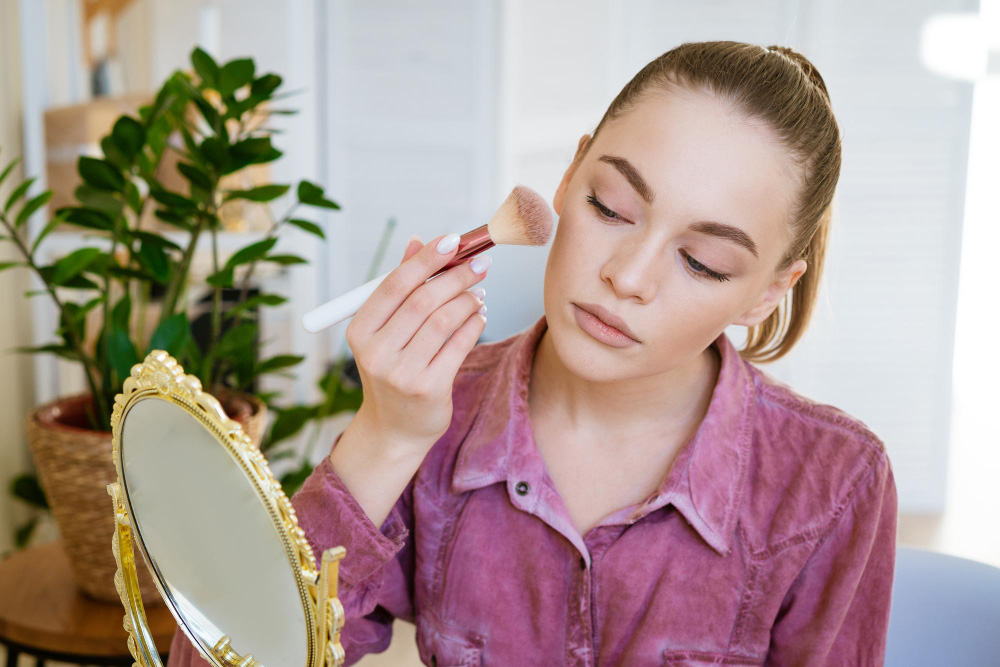
Contouring has become a staple in modern makeup routines, helping to define facial features, enhance bone structure and bring dimension to the face. When done correctly, it offers a naturally sculpted appearance that flatters almost every face shape. However, despite its popularity, many makeup enthusiasts continue to make common mistakes that can take away from the overall look rather than enhance it. Whether you’re a beginner or someone looking to refine your technique, understanding these contouring errors is essential to achieve a flawless finish.
Let’s explore the most frequent contouring mistakes and how to avoid them to ensure your makeup always looks polished and professional.
Using the Wrong Shade for Contour Makeup
One of the most common mistakes in contour makeup is choosing the wrong shade. A contour product that’s too dark or too light can make your face appear muddy or ashy. Instead of using your foundation shade as a reference, opt for a product that is one or two shades darker than your natural tone with a neutral to cool undertone. This mimics the natural shadows of the face without looking overdone.
Over-Applying Product
Less is more when it comes to contouring. Applying too much product can result in harsh lines and an unnatural finish. Start with a small amount and build gradually if needed. This technique gives you better control and ensures that the contours blend seamlessly into the rest of your makeup.
Skipping Blending
Blending is key to achieving a soft, natural-looking contour. Using a dense brush or damp sponge to diffuse the lines will prevent your contour from looking stark or unblended. Always blend upwards to lift the face rather than dragging the product downwards, which can have the opposite effect.
Incorrect Placement of Contour Lines
Placing your contour in the wrong area can completely alter the intended effect. For instance, applying contour too low on the cheeks can drag your features down, making your face appear longer or heavier. Focus on the hollows of your cheeks, sides of the nose, jawline and forehead edges for balanced definition.
Using Face Makeup Products Without Prepping the Skin
Many people jump straight into contouring without proper skin preparation. Applying contour makeup on dry or unprepped skin can lead to patchiness and uneven application. It’s crucial to start with clean, moisturised skin, followed by a suitable primer and foundation base to create a smooth canvas for all face makeup products.
Ignoring Face Shape
A contouring style that suits one person may not suit another. Not considering your face shape when contouring is a mistake that can result in an unflattering appearance. For instance, those with round faces may benefit from contouring the sides of the forehead and under the cheekbones, while those with heart-shaped faces may need more emphasis along the jawline.
Using the Same Product for Contouring and Bronzing
Although both products add warmth and definition, contour and bronzer serve different purposes. Using a bronzer in place of a contour product can lead to an overly warm or orange look, especially if the bronzer has shimmer. Always select matte contour products designed specifically for sculpting.
Not Setting Cream Contour with Powder
Cream products can shift throughout the day if they aren’t set properly. After blending out your cream contour, use a powder contour or a translucent setting powder to lock everything in place. This not only increases longevity but also prevents creasing or smudging.
Applying Contour in Poor Lighting
Lighting plays a significant role in makeup application. Contouring in dim or yellow lighting can cause you to overdo it or miss spots that need blending. Always apply your makeup in natural or white light to ensure an even, natural finish.
Forgetting to Clean Tools
Using dirty brushes or sponges can cause product buildup, uneven application and even breakouts. Regularly cleaning your contour tools ensures smoother blending and better hygiene.
Mastering the art of contouring doesn’t require perfection, but avoiding these common errors can drastically improve your results. With the right contour makeup and proper application techniques, you can achieve a well-defined, natural look that enhances your best features. Remember, practice makes perfect, and choosing high-quality face makeup products will always make a difference in the final result.
